
Favorite Siding Service Products for Contractors and Homeowners Alike
A curated selection of trusted tools and supplies that support durable and visually appealing siding solutions.
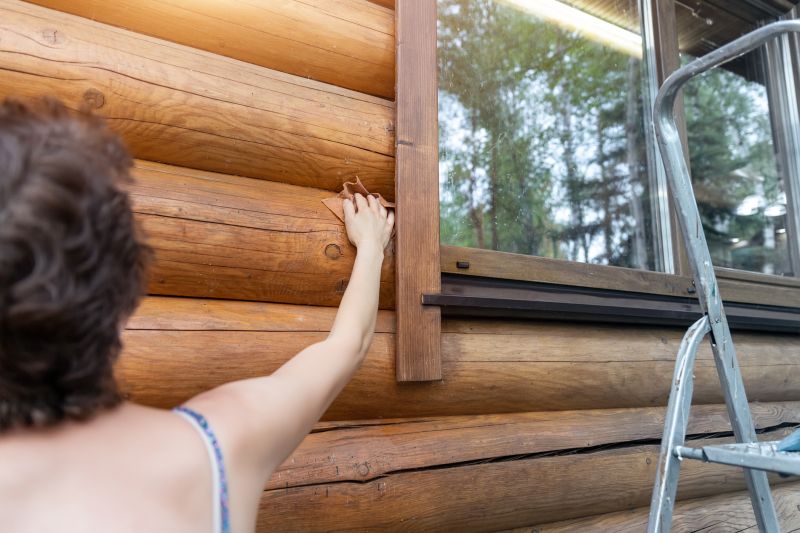 When considering products for siding service, homeowners and contractors in Puyallup, WA, often seek durable and versatile options to ensure long-lasting results. The selection of siding products can significantly influence the appearance, protection, and maintenance requirements of a building's exterior. From traditional materials to innovative solutions, the right products can help achieve a variety of aesthetic and functional goals. It is important to evaluate the compatibility of materials with local climate conditions, ease of installation, and overall durability.
Top Overall Option
Fiber Cement Siding
Fiber cement siding is a versatile and durable material known for its resistance to moisture, pests, and weathering. It offers a wide range of textures and finishes, making it suitable for various architectural styles. Its low maintenance requirements and ability to withstand the local climate make it a popular choice for siding projects in Puyallup. Proper installation and quality materials are essential to maximize its lifespan and appearance.
Types of Products For Siding Service
Vinyl Siding
A popular, cost-effective option that is available in many colors and styles, vinyl siding is known for its ease of installation and low maintenance needs.
Wood Siding
Offering natural beauty and traditional appeal, wood siding can be customized in various styles but requires regular upkeep to prevent weather damage.
Fiber Cement Siding
A durable choice that mimics the appearance of wood or stucco, fiber cement is resistant to pests and moisture, suitable for diverse climates.
Metal Siding
Made from aluminum or steel, metal siding provides a modern look and excellent durability, often used for commercial or contemporary residential designs.
Engineered Wood Siding
A manufactured alternative to traditional wood, engineered wood offers enhanced resistance to pests and moisture while maintaining a wood-like appearance.
Stucco Siding
A classic exterior finish that offers texture and weather resistance, often used in Mediterranean or Southwestern architectural styles.
Brick Veneer Siding
Provides the aesthetic of traditional brick with easier installation and less weight, suitable for enhancing curb appeal.
Stone Veneer Siding
Offers a natural stone look, adding texture and durability to exterior walls with relatively simple installation.
Composite Siding
Made from a combination of materials, composite siding can mimic various textures and finishes while offering improved durability.
Rubber Siding
A flexible and impact-resistant option, rubber siding is suitable for areas prone to extreme weather or for protective applications.
PVC Siding
A type of plastic siding that is lightweight, weather-resistant, and easy to maintain, available in many styles.
Insulated Siding
Designed with an insulating layer, this siding can improve thermal performance and energy efficiency.
Popular Choices
Widely used for its affordability and variety of styles, vinyl siding remains a common choice for residential siding projects.
Recognized for its durability and aesthetic versatility, fiber cement siding is frequently selected for long-term performance.
Favored for its natural look, wood siding continues to be popular despite higher maintenance needs.
Chosen for its sleek appearance and resilience, metal siding is often seen in modern and commercial buildings.
A popular alternative to traditional wood, engineered wood offers a balance of appearance and durability.
A preferred choice in certain architectural styles, stucco provides a textured finish with good weather resistance.
Offering a classic look, brick veneer is a common choice for enhancing exterior aesthetics.
Popular for adding natural elegance and texture, stone veneer is often used in accent walls or facades.
A lightweight and low-maintenance option, PVC siding is gaining popularity for residential applications.
Increasingly chosen for energy efficiency, insulated siding can help improve thermal performance.
In Puyallup's climate, which features wet winters and mild summers, choosing siding products that resist moisture and temperature fluctuations is essential. Proper installation tools and accessories also play a crucial role in ensuring the longevity of siding installations. Whether you're updating a residential property or working on a commercial project, understanding the different types of siding products available can help you make informed decisions.
Quality siding products can also contribute to energy efficiency, reducing heating and cooling costs over time. Additionally, selecting products that require minimal maintenance can save time and resources in the long run. As the local market offers a wide array of options, taking the time to research and select appropriate products tailored to specific needs is highly recommended.
Ultimately, the goal is to find products that balance performance, appearance, and cost-effectiveness, ensuring that the finished siding provides both protection and curb appeal for years to come in the Puyallup area.
Key Buying Considerations
- Climate compatibility: Ensure the siding material withstands local weather conditions, including moisture and temperature fluctuations.
- Durability: Consider resistance to pests, rot, and impact damage for long-term performance.
- Maintenance requirements: Evaluate how much upkeep the siding material will need over its lifespan.
- Aesthetic appeal: Choose a style and color that complements the overall architectural design.
- Installation complexity: Determine whether professional installation is needed and assess the ease of DIY options if applicable.
- Cost and budget: Balance initial investment with expected longevity and maintenance costs.
- Energy efficiency: Look for products that can improve insulation and reduce energy consumption.
- Compatibility with existing structures: Ensure the new siding can be integrated smoothly with current building features.
- Local building codes: Verify that the chosen products meet regional regulations and standards.
- Environmental factors: Avoid materials that may degrade quickly under local environmental conditions.
- Availability of accessories: Confirm that matching trims, fasteners, and sealants are accessible.
- Warranty and support: Check for manufacturer warranties and customer support options.
- Environmental impact: While not eco-focused, consider products with proven performance in your area.